 Civilization Rights Institute
Unlocking Global Heritage: CRI’s Landmark Course Charts a Course for Cultural Restitution, Inspired by the Rosetta Stone
Unlocking Global Heritage: CRI’s Landmark Course Charts a Course for Cultural Restitution, Inspired by the Rosetta Stone
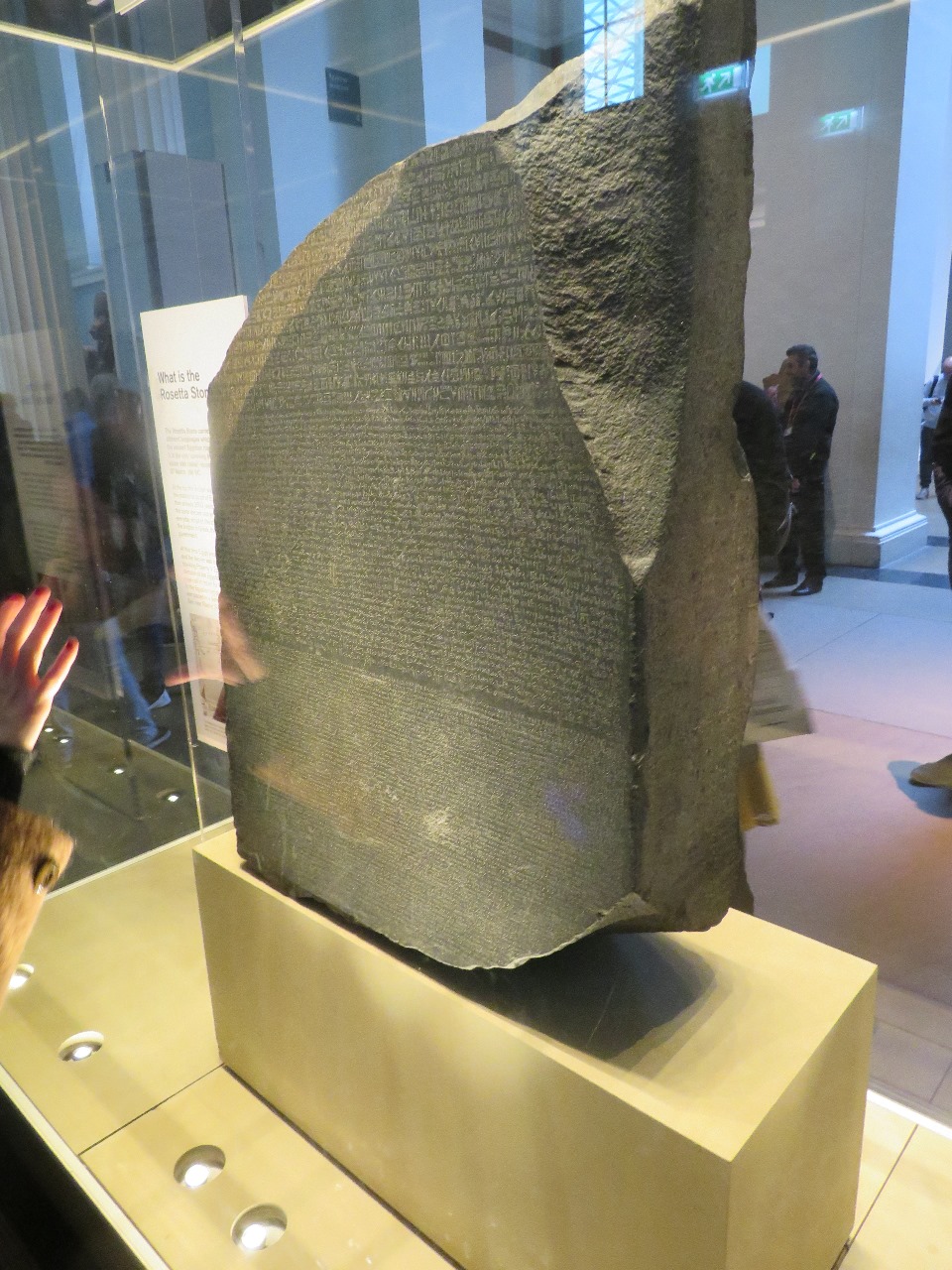
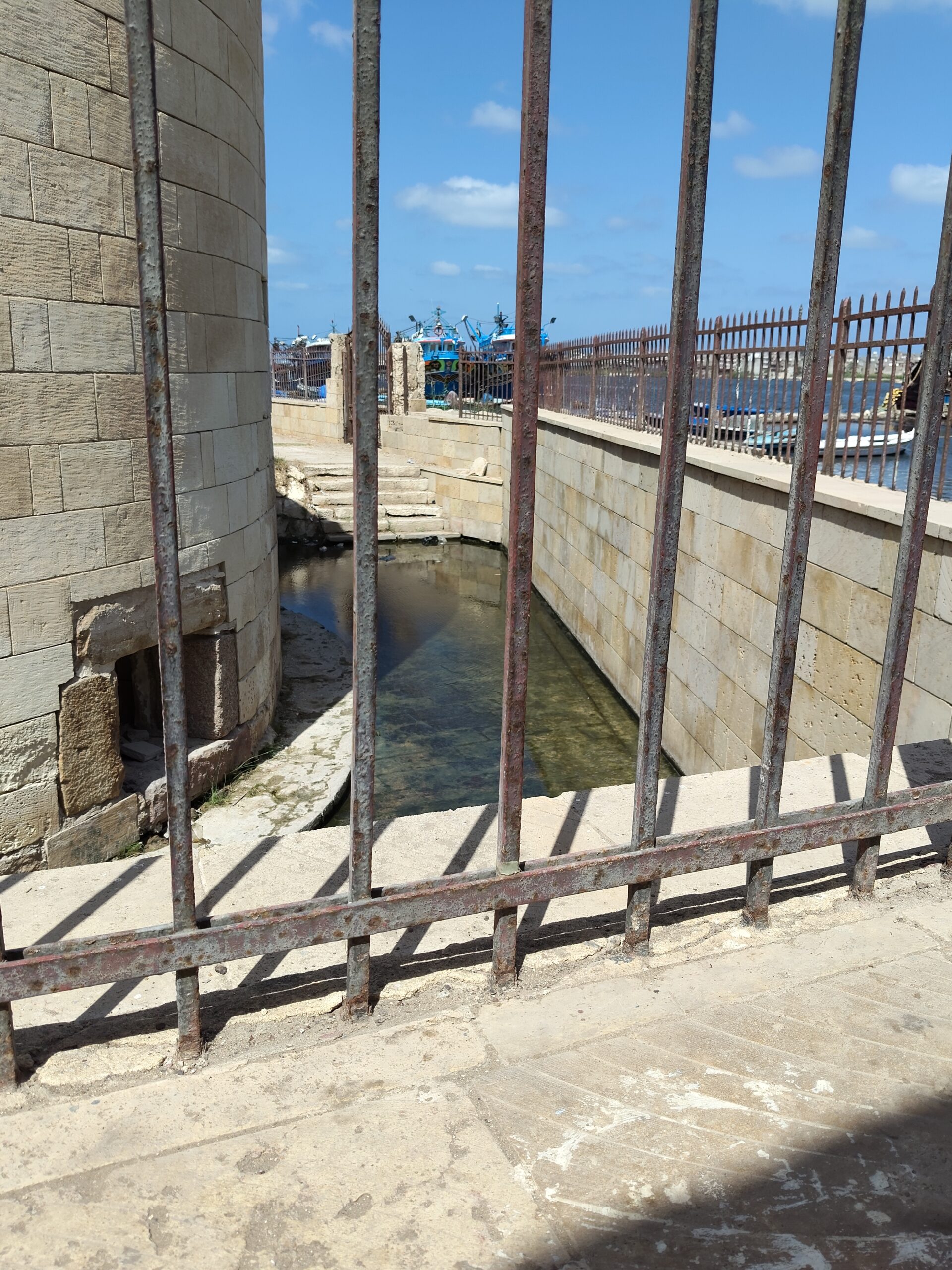
In a pivotal initiative marking the 200th anniversary of the decipherment of the Rosetta Stone, the Civilization Rights Institute (CRI) proudly organized a three-day scientific course focused on the critical topic of searching for Egyptian antiquities abroad. This groundbreaking program, held from September 24-26, 2022, aimed to establish the return of the Rosetta Stone to its original discovery site in Borj Rashid village and fort as a potent model and guiding principle for global cultural restitution efforts.
Led by Dr. Ahmed Yahya Rashed, Professor of Architecture, Founder of the Civilization Rights Institute in the United States, and Director of the Sustainability Center at the British University in Egypt, the course transcended mere historical commemoration. It served as a crucial opportunity to “decipher other codes” in our engagement with Civilization Rights, both within Egypt and on the international stage.
A Scientific Approach to Cultural Justice
Dr. Rashed underscored the institute’s commitment to rigorous academic inquiry. “For many years,” he stated, “there have been events and discussions, but between temporary enthusiasm and persistent work, there are vast spaces for science, scientific research, and studies.” He further elaborated that this three-day course was a strategic stride towards fostering a ‘Rashid Society’—a wise and discerning community actively seeking its rights and drawing inspiration from the potential return of the Rosetta Stone.
“The call for the Rosetta Stone’s return has resonated across various platforms, including COP27 and numerous conferences, seminars, and articles. This course is a scientific, practical, and strategic attempt to answer how we affirm and reclaim these rights, paving the way for the restoration of our invaluable treasures.” – Dr. Ahmed Yahya Rashed
The institute believes that original and sustainable restitution stems from a foundation of well-researched claims and a robust understanding of Civilization Rights principles. This course served as a testament to that belief, offering a multi-level approach to addressing the complex challenges of cultural heritage recovery.
Course Pillars: From Decipherment to Sustainable Futures
Designed for professionals across various disciplines, the course delved into a comprehensive array of topics, fostering a collaborative environment for crafting future strategies. Key themes included:
- Historical Context: A deep dive into the Rosetta Stone and its original discovery site in Borj Rashid.
- Deciphering Egyptian Civilization: Exploring the profound legacy unlocked by the Stone.
- Deciphering Heritage Demands: Strategies and methodologies for asserting Egypt’s heritage rights globally.
- Restitution Pathway: Establishing a clear framework for rights affirmation preceding the physical return of artifacts.
- Sustainable Development & Climate Change: Examining the intersection of heritage preservation with current global challenges, with a focus on preparing documentation for “Human Heritage and Climate Change from COP27 to COP28.” This included major, medium, and “Hayah Karima” projects, as well as initiatives from startups, women-led development projects, and non-profit community engagements.
The course emphasized a legacy-focused approach, with generations preparing and transferring documentation to subsequent generations, ensuring the sustained pursuit of cultural justice.
Empowering the global civilization rights movement
The Civilization Rights Institute remains steadfast in its mission to protect heritage, promote justice, and power the global civilization rights movement. Through initiatives like this scientific course, CRI continues to advance the science of Civilizology and the principles of Civilization Rights, fostering Civilization Resilience in a world increasingly recognizing the intrinsic value of cultural identity and heritage. Participants, who registered through a dedicated portal, joined a growing community committed to these vital endeavors.
Civilization Rights Institute
Advancing the rights, science, and resilience of human civilizations.


No comment