 Civilization Rights Institute
Our team.The people behind the mission.
Leadership, advisory council, researchers, and chapter directors advancing civilization rights worldwide.
Leadership, advisory council, researchers, and chapter directors advancing civilization rights worldwide.
The Institute is driven by its founders, a group of researchers who serve as the intellectual engine of its mission, and a network of partners, supporters and ambassadors — scholars, academics and business leaders who backed the vision of civilization rights from its earliest conceptual stage and stood behind it until it became a living institution.
Leadership
The Institute’s officers, as recorded in the CRI Corporate Agenda.

Ahmed Rashed, Ph.D.
An experienced architect, engineer and civilization rights activist, and Founding President of the Institute.
Former Founding Director of the Farouk El-Baz Center for Sustainability and Future Studies at The British University in Egypt.
He has led, managed and consulted on over 35 domestic and international projects in sustainability, green technologies, heritage conservation, sustainable tourism, architectural engineering, urban planning, public participation, civilization studies and environmental impact assessment, and has received awards and recognitions from professional and academic organizations in several countries.
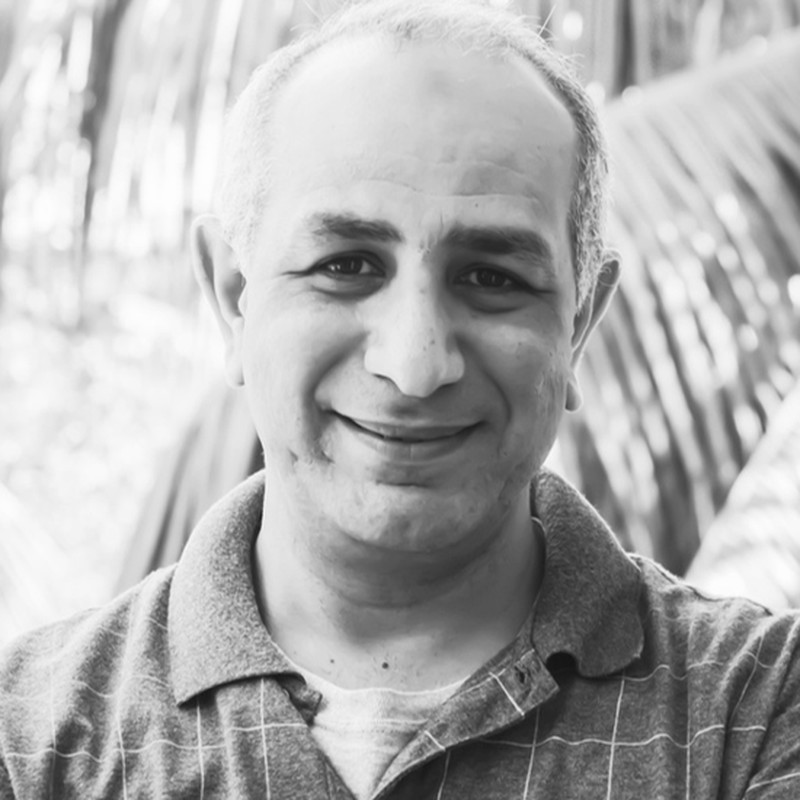
Tarek Rashed, Ph.D.
Has led over 55 projects across 50 countries in geospatial technology, digitalization and disaster risk assessment.
His work spans e-government, vulnerability mapping and disaster risk assessment.
He has taught at Indiana University, the University of Oklahoma, the University of Redlands, the University of Southern California and Amrita University. He holds a Ph.D. in geography, master’s degrees in computation and in disaster risk management, and a B.S. in architectural engineering.
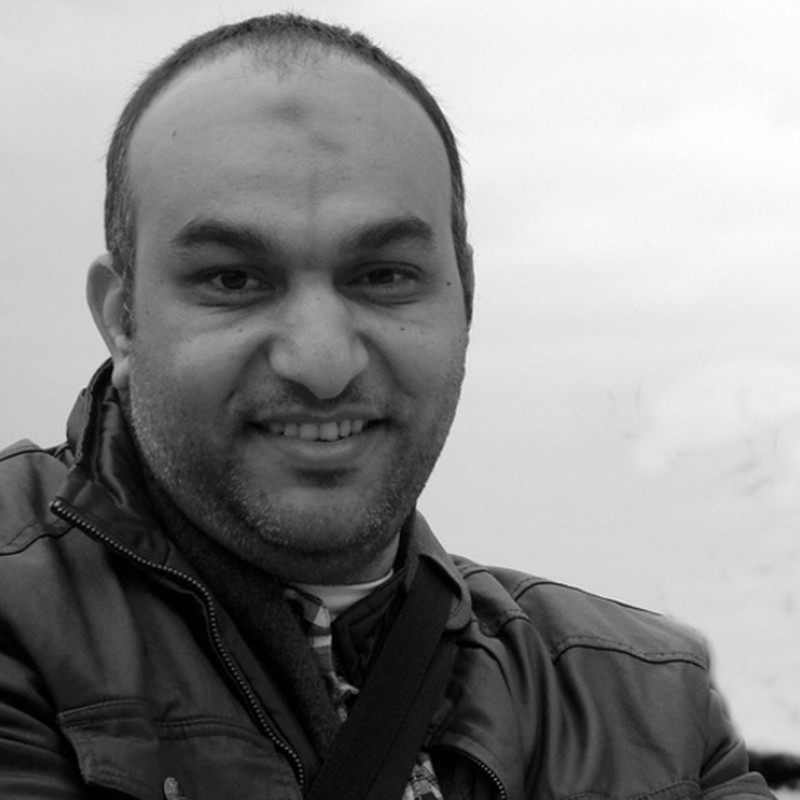
Mohamed El-Belqassy, Ph.D.
An associate professor of architecture with over 23 years of experience in heritage conservation and urban planning.
A board member of the Civilization Rights Institute, his work covers architectural design, urban planning, heritage conservation, heritage building rehabilitation and heritage area investment.
He has worked on many projects in Egypt and Saudi Arabia, has received awards and recognitions from professional and academic organizations, and is a member of the Egyptian Engineering Syndicate and the Society of Architects.
Board of Directors
Governance oversight for the Institute.
Being formed
The Institute is constituting its Board of Directors. Nominations are open to individuals with standing in heritage, law, science, policy or civil society who are prepared to hold the Institute to the standards set out in the Declaration.
International Advisory Council
World-class expertise across domains and regions.
Invitations under way
CRI is convening an international advisory committee of renowned experts across the domains and regions represented in the Civilizology Body of Knowledge, to advise on doctrine, method and the 2030–2050 framework.
Research team
The intellectual engine of the Institute’s work.
Researchers to be listed
The Institute’s researchers work across architecture, heritage conservation, urban planning, sustainability and climate resilience, contributing to the Civilizology Body of Knowledge and the 2030–2050 framework. Profiles will be published here shortly.
Chapter directors
CRI chapters carry the work into universities and institutions worldwide.
Chapters active, directors to be listed
Chapters are established at Badr University in Cairo (CRI@BUC) and Horus University (CRI@HUE), with further chapters in formation. Directors will be listed here as appointments are confirmed.
Membership
Two ways to stand with the Declaration — as an organization, or as an individual.
Organizational membership
For universities, museums, ministries, NGOs, foundations and companies that want civilization rights embedded in how they work.
- Adopt the Declaration as institutional policy
- Sign a cooperation protocol or host a CRI chapter
- Join the Civilization Rights Alliance
- Access to research, standards and advisory support
Individual membership
For scholars, heritage professionals, students and citizens who want to carry the work in their own field and community.
- Become a Civilization Rights Advocate
- Participate in think tanks, forums and Civilization Rights Day
- Contribute to the Civilizology Body of Knowledge
- Receive Institute briefings and calls for papers
Our guiding principles
How the Institute holds itself.
Our goals centre on research, education, community welfare, and the rights of all civilizations — past, present and future. We do not support, participate in, or intervene in any political campaign, nor do we discriminate on the basis of political orientation, race, colour, religion, national origin, gender identity, or ideology.
Civilization Rights Institute
Advancing the rights, science, and resilience of human civilizations.
