 Civilization Rights Institute
Our story.How CRI began.
From a scholarly proposition to a registered institute advancing the rights of every civilization.
The Genesis of a Movement
Tracing the journey from an idea to a global institution dedicated to the science and ethics of civilizational integrity.
In a world of unprecedented connection, where the lines of cultural appreciation blur into appropriation and the value of heritage is often lost in translation, the Civilization Rights Institute was born from a critical observation: a new language, a new science, was needed to navigate this complex landscape. Our story is not just the history of an organization, but the chronicle of a paradigm shift—the birth of the civilizational dimension of development and the establishment of a framework to guide it. This is the story of how an idea became a global movement.
Our Journey
Institute News
Guardians of History: Our Sacred Trust to Preserve Heritage
The Civilization Rights Institute (CRI) was founded to safeguard humanity’s cultural heritage, upholding the principle that it must be preserved, not harmed. Recognizing heritage as vital for identity, education, and future generations, CRI actively works to protect ancient sites and artifacts from threats like destruction, neglect, and illicit trafficking. It serves as a dedicated custodian, ensuring our shared legacy endures.
read more

Institute News
Empowering Heritage: Public Participation as the Cornerstone of Conservation in Luxor, Egypt
In 1995, Eng. Ahmed Yahya Mohamed Gamal El Din Rashed’s doctoral research proposed public participation as an indispensable approach to urban heritage conservation, using Luxor, Egypt, as a key case study. This seminal work shifted focus from merely preserving ancient structures to integrating local communities and living cultures in safeguarding historical environments amidst complex development challenges.
read more

Institute News
original Heritage vs. Commercial Replication: The Tale of Two Luxors
The Civilization Rights Institute initiated a global discourse comparing original sites like Luxor, Egypt, with commercial replications such as Luxor, Las Vegas. This raised critical ethical questions about cultural heritage commercialization, civilizational integrity, and the need for vigilant stewardship to protect invaluable historical legacies from degradation while ensuring equitable benefits.
read more
Institute News
Unveiling ‘Civilization Rights’: A New Paradigm for Global Heritage Protection
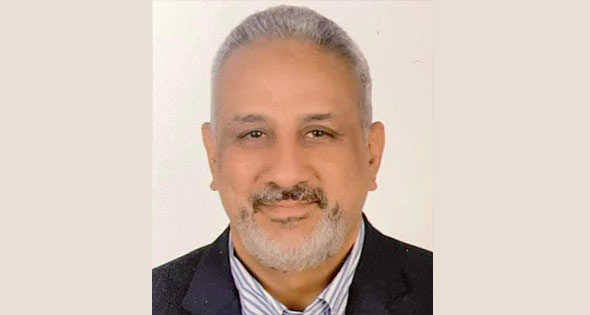
A groundbreaking national initiative, led by Dr. Ahmed Yahia Rashed, proposed the novel scientific discipline of ‘Civilization Rights’ to revolutionize global heritage protection. This new framework aims to move beyond intellectual property limits, ensuring that the value and profits derived from human heritage actively contribute to its preservation and sustainable future.
read more
Institute News
Championing Collective Heritage: Sign the Universal Declaration of Civilization Rights
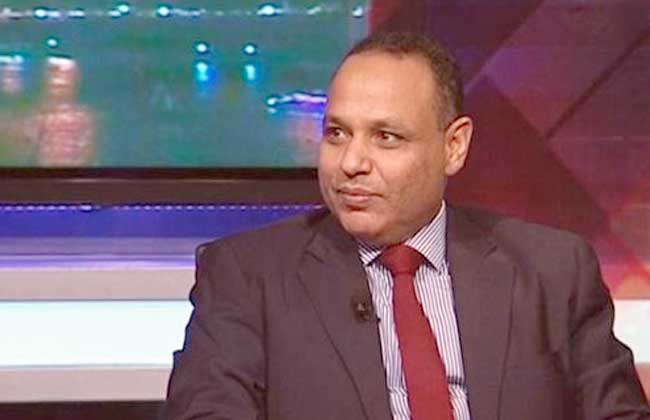
The Civilization Rights Institute, led by Professor Ahmed Rashed, announced the Universal Declaration of Civilization Rights (UDCR), a landmark initiative to recognize and safeguard the collective heritage rights of nations. This declaration aims to protect historical and cultural treasures by affirming their intrinsic link to their origins, fostering “Civilization Resilience.” The UDCR provides an ethical framework to combat cultural appropriation and illicit trafficking, thereby empowering the global movement for civilization rights.
read more
Institute News
Beyond Repatriation: Championing Civilization Rights for Sustainable Heritage Development
Dr. Ahmed Yahya Rashed launched the Civilization Rights Institute’s initiative, advocating for the return of looted Egyptian artifacts, like the Rosetta Stone, to their original environmental contexts. This “Civilization Rights” concept redefines repatriation as fundamental for sustainable heritage development, cultural justice, and protecting endangered sites from climate change. The initiative aimed to integrate these principles into COP27 discussions, using the Rosetta Stone’s threatened discovery site as a key example.
read more
Institute News
Unveiling ‘Civilization Rights’: A New Paradigm for Global Heritage Protection
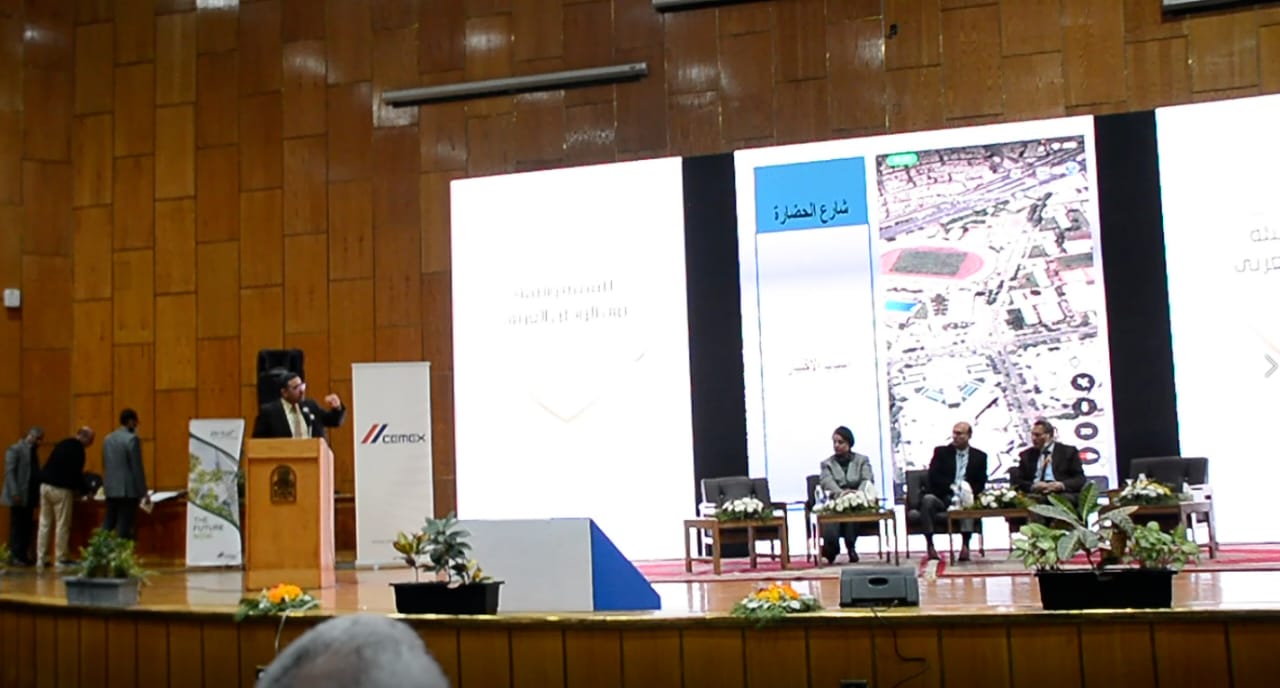
A groundbreaking national initiative, led by Dr. Ahmed Yahia Rashed, proposed the novel scientific discipline of ‘Civilization Rights’ to revolutionize global heritage protection. This new framework aims to move beyond intellectual property limits, ensuring that the value and profits derived from human heritage actively contribute to its preservation and sustainable future.
read more

Institute News
Championing Collective Heritage: Sign the Universal Declaration of Civilization Rights
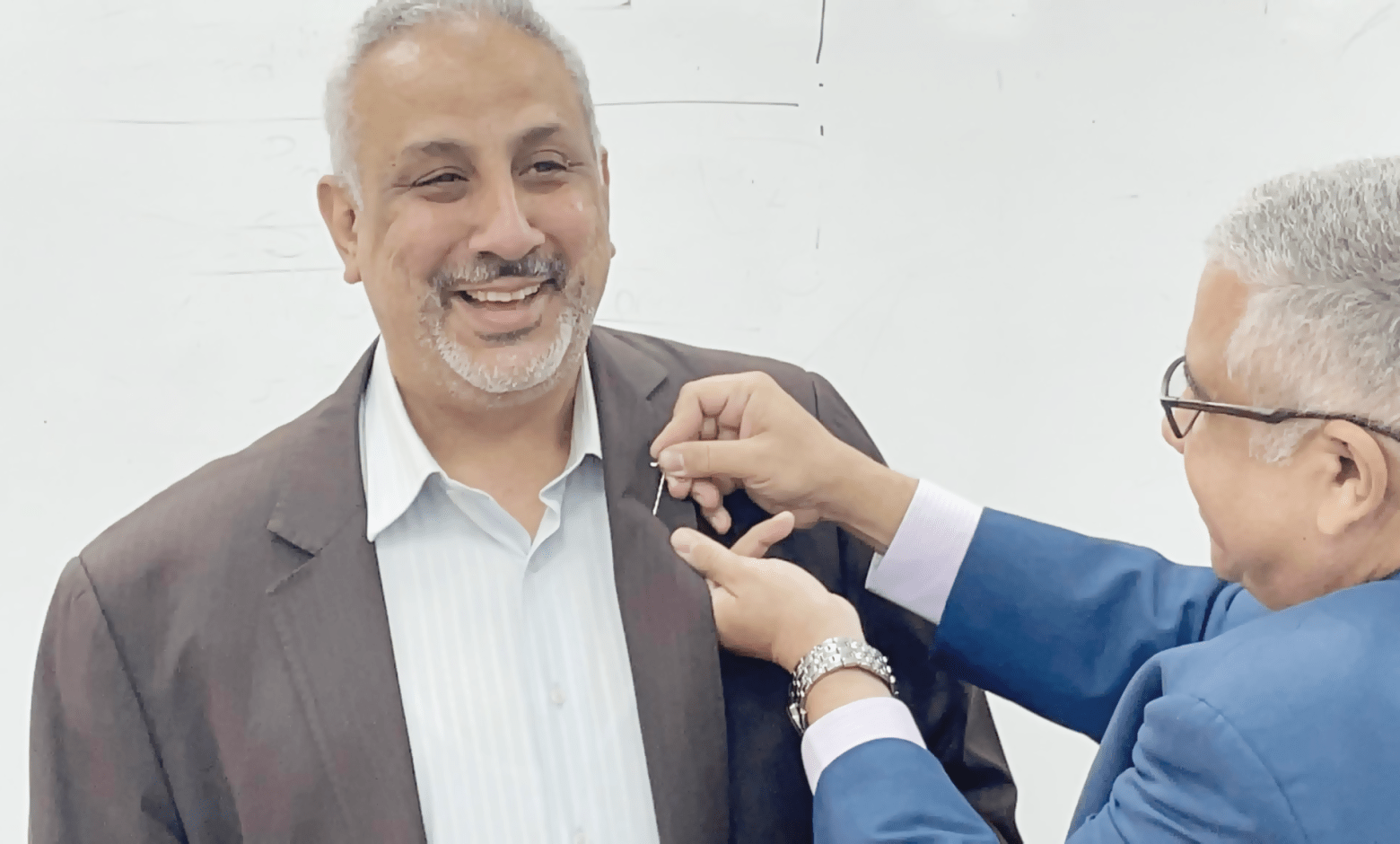
The Civilization Rights Institute, led by Professor Ahmed Rashed, announced the Universal Declaration of Civilization Rights (UDCR), a landmark initiative to recognize and safeguard the collective heritage rights of nations. This declaration aims to protect historical and cultural treasures by affirming their intrinsic link to their origins, fostering “Civilization Resilience.” The UDCR provides an ethical framework to combat cultural appropriation and illicit trafficking, thereby empowering the global movement for civilization rights.
read more
Institute News
Beyond Repatriation: Championing Civilization Rights for Sustainable Heritage Development
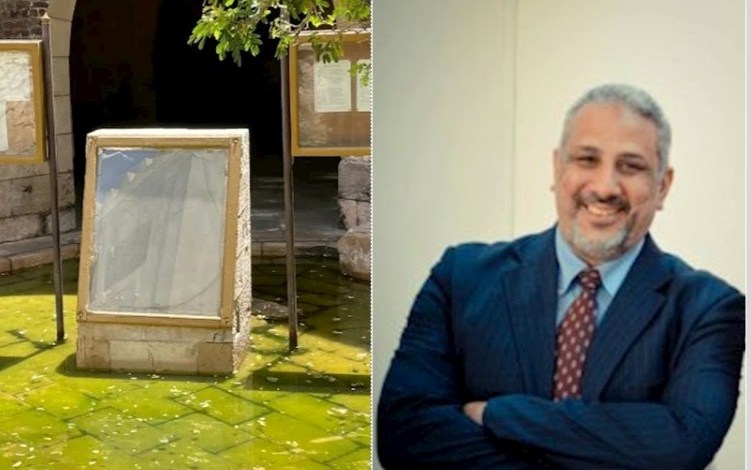
Dr. Ahmed Yahya Rashed launched the Civilization Rights Institute’s initiative, advocating for the return of looted Egyptian artifacts, like the Rosetta Stone, to their original environmental contexts. This “Civilization Rights” concept redefines repatriation as fundamental for sustainable heritage development, cultural justice, and protecting endangered sites from climate change. The initiative aimed to integrate these principles into COP27 discussions, using the Rosetta Stone’s threatened discovery site as a key example.
read more

Research proposal
CRI and Virginia Tech Submit a Joint NASA Research Proposal on the Nile River Basin
The Civilization Rights Institute (CRI) and Virginia Tech jointly submitted a research proposal to NASA, seeking to quantify the effects of human activity and climate on the food, energy, and water nexus in the Nile River Basin. This critical endeavor aimed to enhance civilization resilience and sustainable development in the region, a millennia-old cradle of human civilization vital for millions.
read more
Institute News
From COP27 to COP28: The Rosetta Stone, Climate Change, and the Global Quest for Civilization Rights
Marking the bicentennial of the Rosetta Stone’s decipherment, the Civilization Rights Institute initiated a scientific course to strategically re-evaluate Egyptian antiquities held abroad. This landmark effort champions the concept of “civilization rights,” positioning the Rosetta Stone’s return as a guiding principle for a global movement advocating for heritage restitution.
read more
Institute News
Charting a Course for Civilization Resilience: Landmark Discussions at #Civil20_India2023
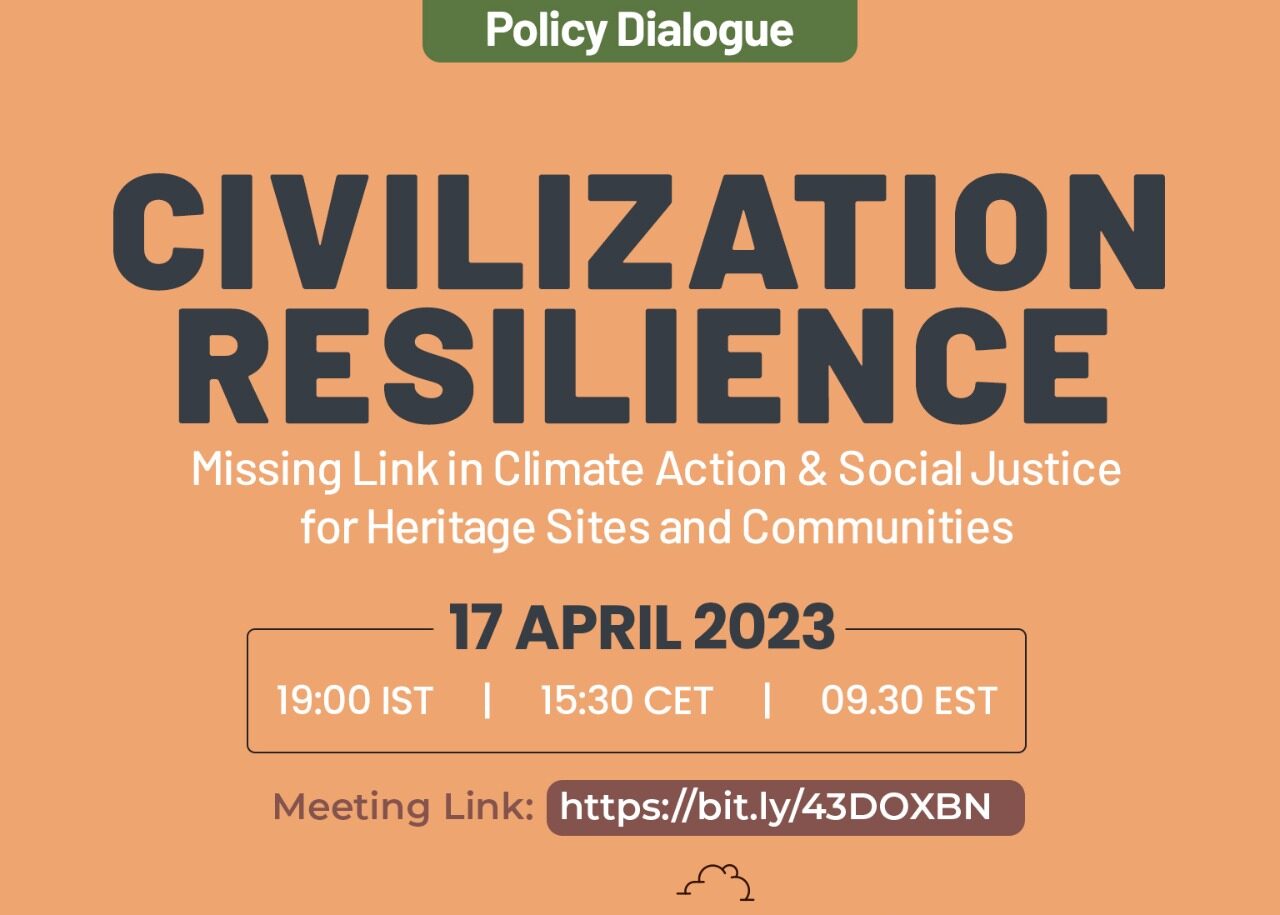
On April 17, 2023, as part of #Civil20_India2023, the Civilization Rights Institute co-organized a pivotal event, “CIVILIZATION RESILIENCE,” to develop policy recommendations addressing climate change threats to heritage sites and indigenous communities. This landmark discussion highlighted the urgent need for robust frameworks and a holistic approach to safeguard global cultural heritage and ensure social justice.
read more
Partnership
CRI Joins C20’s Climate Resilience and Social Justice Working Group
In January 2023, the Climate Resilience Initiative (CRI) officially joined the Civil 20 (C20) Working Group on Sustainable & Resilient Communities. This significant step positioned CRI to directly influence G20 discussions on climate resilience, environment, and net-zero targets, amplifying civil society voices on critical global issues.
read more
Research & Insights
Dr. Ahmed Rashed’s Landmark Article in ICME Magazine Introduces Civilization Rights
In December 2023, Dr. Ahmed Rashed introduced the groundbreaking concept of “Civilization Rights” in a landmark ICME Magazine article. This visionary framework proposes recognizing the rights of modern nations to their ancestral legacies, advocating for a Universal Declaration to ensure global equity and protection in cultural preservation.
read more
Research & Insights
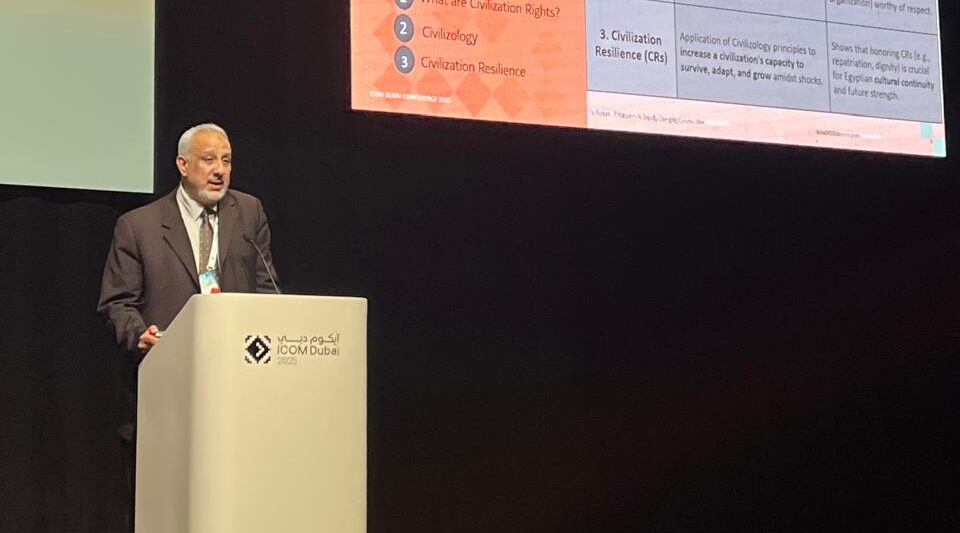
Unveiling Civilization Rights: Mummies, Museology, and the Future of Cultural Heritage
On November 13, 2025, the Civilization Rights Institute (CRI) presented its Universal Declaration of Civilization Rights at ICOM Dubai 2025, proposing a groundbreaking framework for ethical cultural engagement. Spearheaded by Prof. Ahmed Rashed, this initiative seeks to redefine how museums treat mummified remains and protect the heritage of all civilizations, recognizing their foundational rights.
read more
Institute News
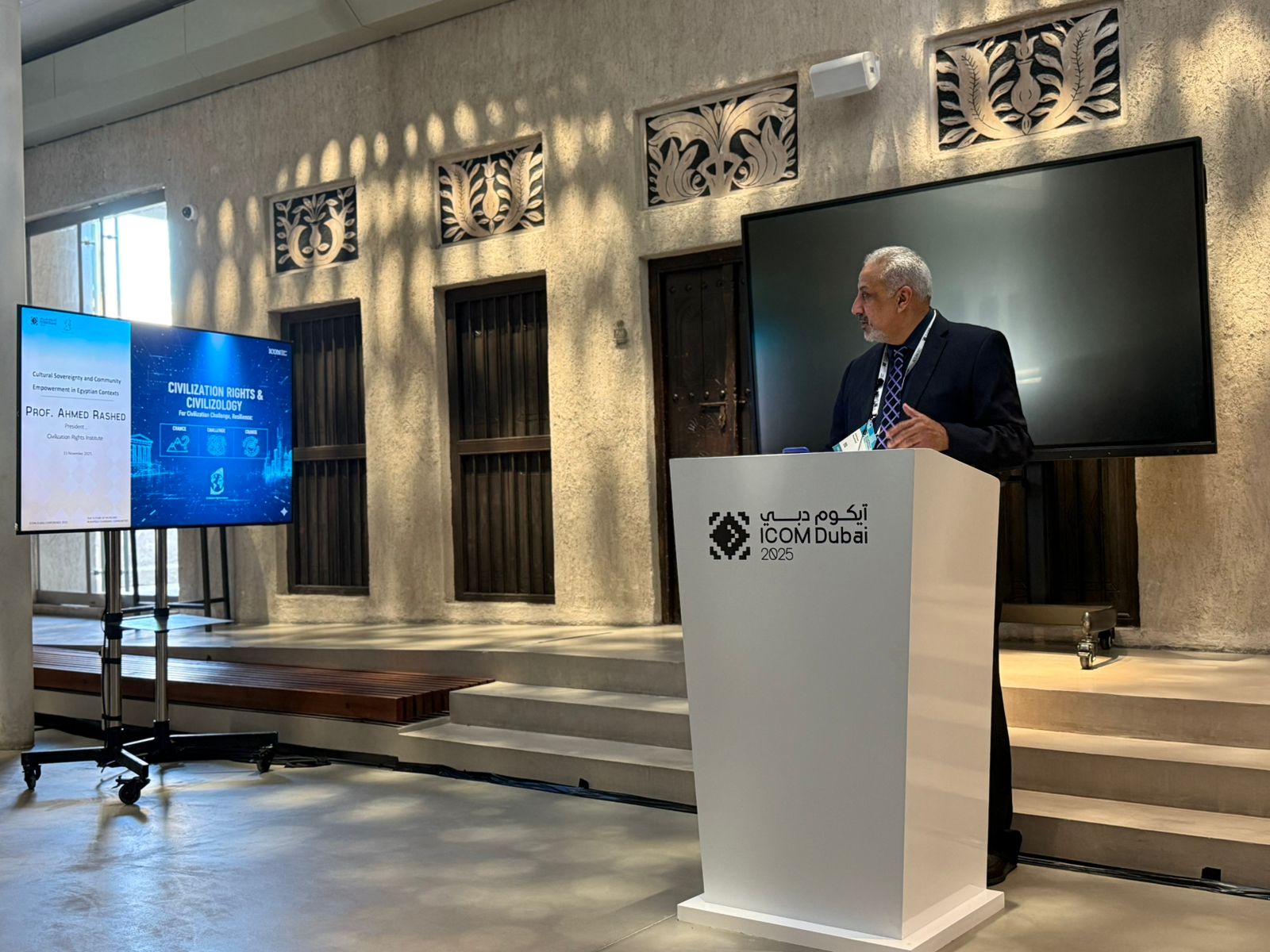
Dr. Ahmed Rashed Captivates ICOM Dubai 2025: Charting a New Future for Museums and Civilizational Sovereignty
In November 2025, Dr. Ahmed Rashed, President of the Civilization Rights Institute, captivated ICOM Dubai 2025 with presentations advocating for cultural sovereignty and community empowerment. He unveiled CRI’s vision for museums, emphasizing ethical stewardship and safeguarding global heritage through the framework of Civilization Rights. This event marked a pivotal moment in discussions about museums’ future and their role in cultural justice.
read more
Civilization Rights Institute
Advancing the rights, science, and resilience of human civilizations.
