Unlocking Heritage: The Rosetta Stone and a New Era for Civilization Rights
The Civilization Rights Institute (CRI) recently embarked on a crucial initiative, a three-day scientific course designed to re-evaluate the complex journey of Egyptian antiquities held abroad. Timed to commemorate the bicentennial of the Rosetta Stone’s decipherment, this landmark event sought to position the Stone’s eventual return to its discovery site in Borg Rashid village and castle as a guiding principle and tangible objective for the broader movement of heritage restitution.
The Rosetta Stone: A Symbol Beyond Decipherment
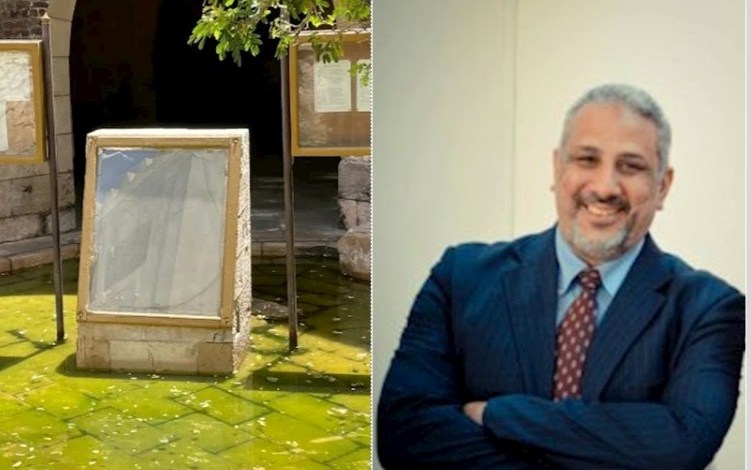
For two centuries, the Rosetta Stone has stood as a monumental key to unlocking the mysteries of ancient Egypt. Yet, as Dr. Ahmed Yahia Rashed, Professor of Architecture, Founder of the Civilization Rights Institute (USA), and Director of the Sustainability Center at the British University in Egypt, eloquently articulated, its significance extends far beyond historical linguistics.
“The bicentennial of the Rosetta Stone’s decipherment presents a unique opportunity not just to reflect on its past, but to decipher new approaches to civilization rights, both within Egypt and across the globe.”
Dr. Rashed emphasized the imperative to transcend fleeting enthusiasm and embrace sustained scientific inquiry and dedicated research. The CRI’s course was conceived as a foundational step towards fostering a “rational society” equipped to understand and advocate for its rightful heritage, with the Rosetta Stone serving as a powerful emblem of this pursuit.
A Strategic Path to Restitution: Rights Before Treasures
The course highlighted a methodical and strategic approach to heritage restitution. Dr. Rashed underscored that while the return of cultural treasures is the ultimate goal, it must be preceded by a robust scientific, practical, and strategic process of affirming and restoring rights. This vision has been championed at various international forums, including repeated calls for the Rosetta Stone’s return to be addressed at COP27 and other significant global platforms.
The initiative emphasizes intergenerational responsibility and sustainable thinking, ensuring that future generations are equipped to continue the vital work of preserving and reclaiming heritage. This is not merely about individual artifacts, but about the enduring legacy of a civilization.
Human Heritage and Climate Change: From COP27 to COP28
A pivotal theme explored during the course was the profound interconnection between human heritage and pressing global challenges, encapsulated in the title of forthcoming documentation: “Human Heritage and Climate Change from COP27 to COP28.” This integrated perspective recognizes that cultural heritage, often vulnerable to environmental shifts, must be central to discussions on climate action and sustainable development.
The course’s comprehensive agenda included:
- A historical overview of the Rosetta Stone and its discovery location in Borg Rashid.
- Insights into deciphering Egyptian civilization’s enduring legacy.
- Strategies for deciphering and articulating Egypt’s heritage rights worldwide.
- The sequential approach: establishing rights, then facilitating the return of the Stone.
- Discussions on sustainable development projects and climate change, encompassing a wide array of initiatives from large-scale endeavors to community-led projects like “Hayah Karima” (Decent Life), startup innovations, and programs empowering women in climate change and sustainability.
The Civilization Rights Institute remains committed to fostering informed dialogue and strategic action to protect and restore human heritage, ensuring that the lessons of the past inform a just and sustainable future for all.