 Civilization Rights Institute
The Birth of the CRI@HUE Chapter: Official Signing of a Cooperation Protocol Between the Institute of Civilizational Rights and Horus University as Part of World Heritage Day Events
In celebration of World Heritage Day at 18 April, the Institute of Civilizational Rights organized a distinguished scientific and cultural event in collaboration with Horus University, reflecting the Institute’s vision of promoting awareness of human heritage as a fundamental pillar for building a sustainable future.
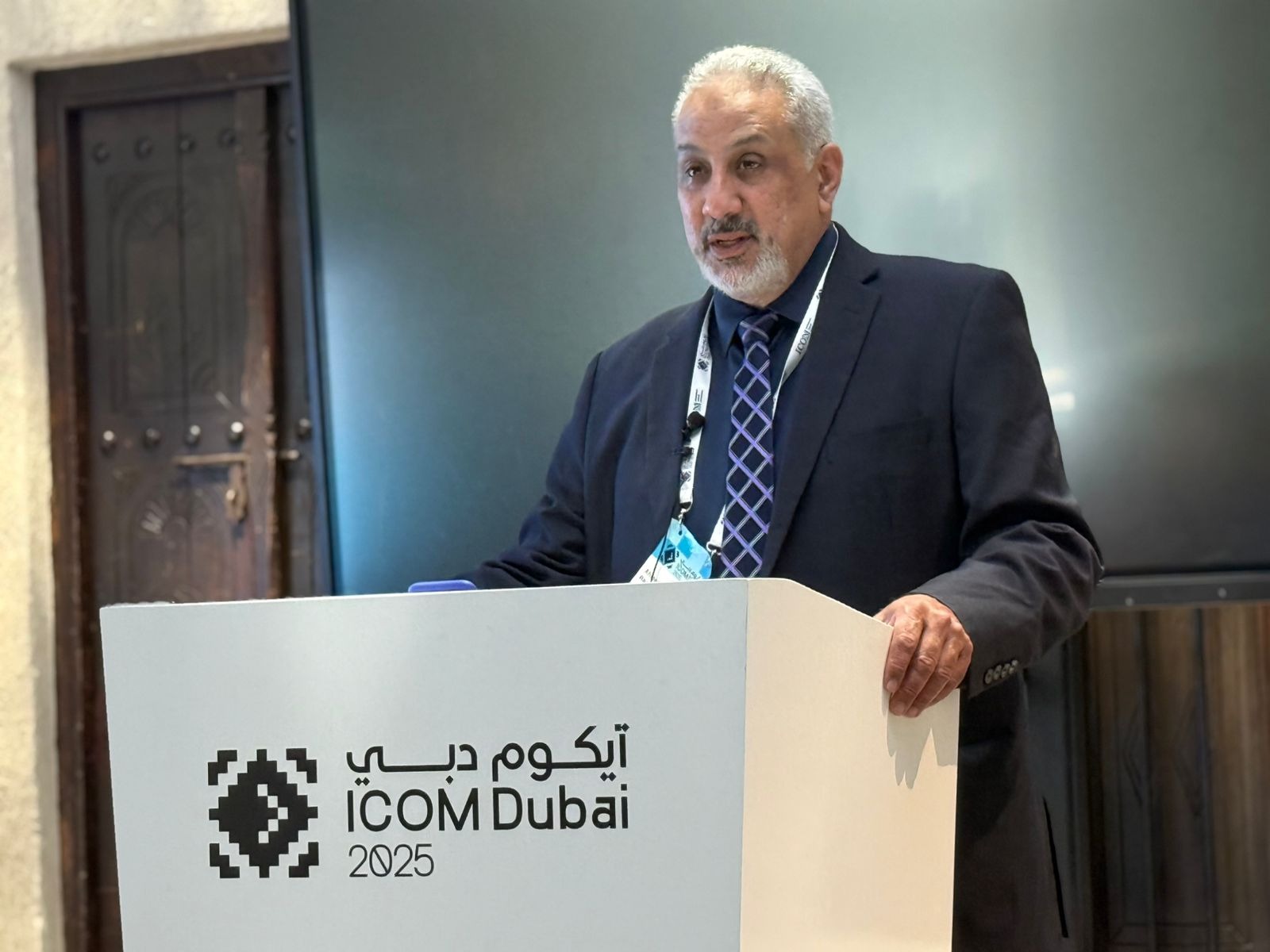
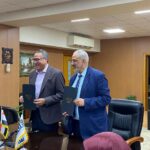
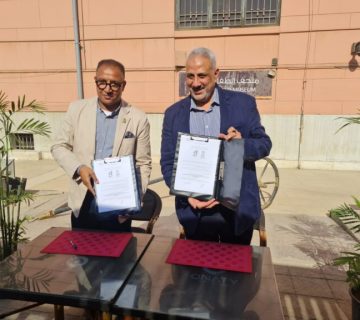
Under the patronage of Professor Dr. Ibrahim Saber, Chairman of the Board of Trustees of Horus University, the event witnessed the official signing of a cooperation protocol between Professor Dr. El-Saeed Abdelhady, President of Horus University, and Professor Dr. Ahmed Rashed, Director of the Institute of Civilizational Rights (USA).
The event was attended by Professor Dr. Mohamed Abdel Aal, Vice President of the University, and was organized under the supervision of the Faculty of Engineering, led by Professor Dr. Hatem Khater, Dean of the Faculty, with coordination by Dr. Karim El-Daly, Sustainable Architecture Program Coordinator. The workshop also welcomed Dr. Hosni Ahmed Mostafa and Engineer Basma Shaheen as representatives of the Institute’s teams.
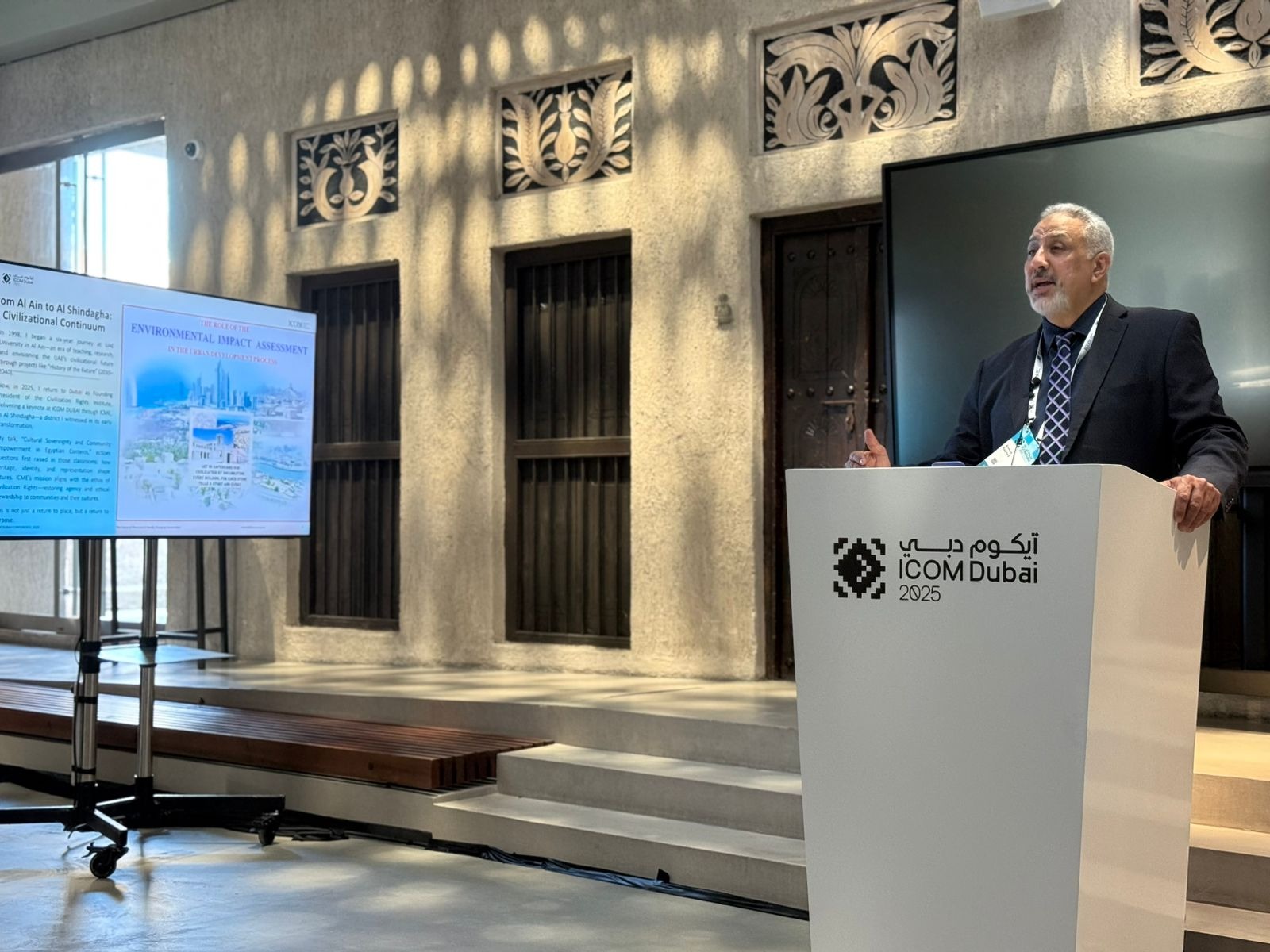
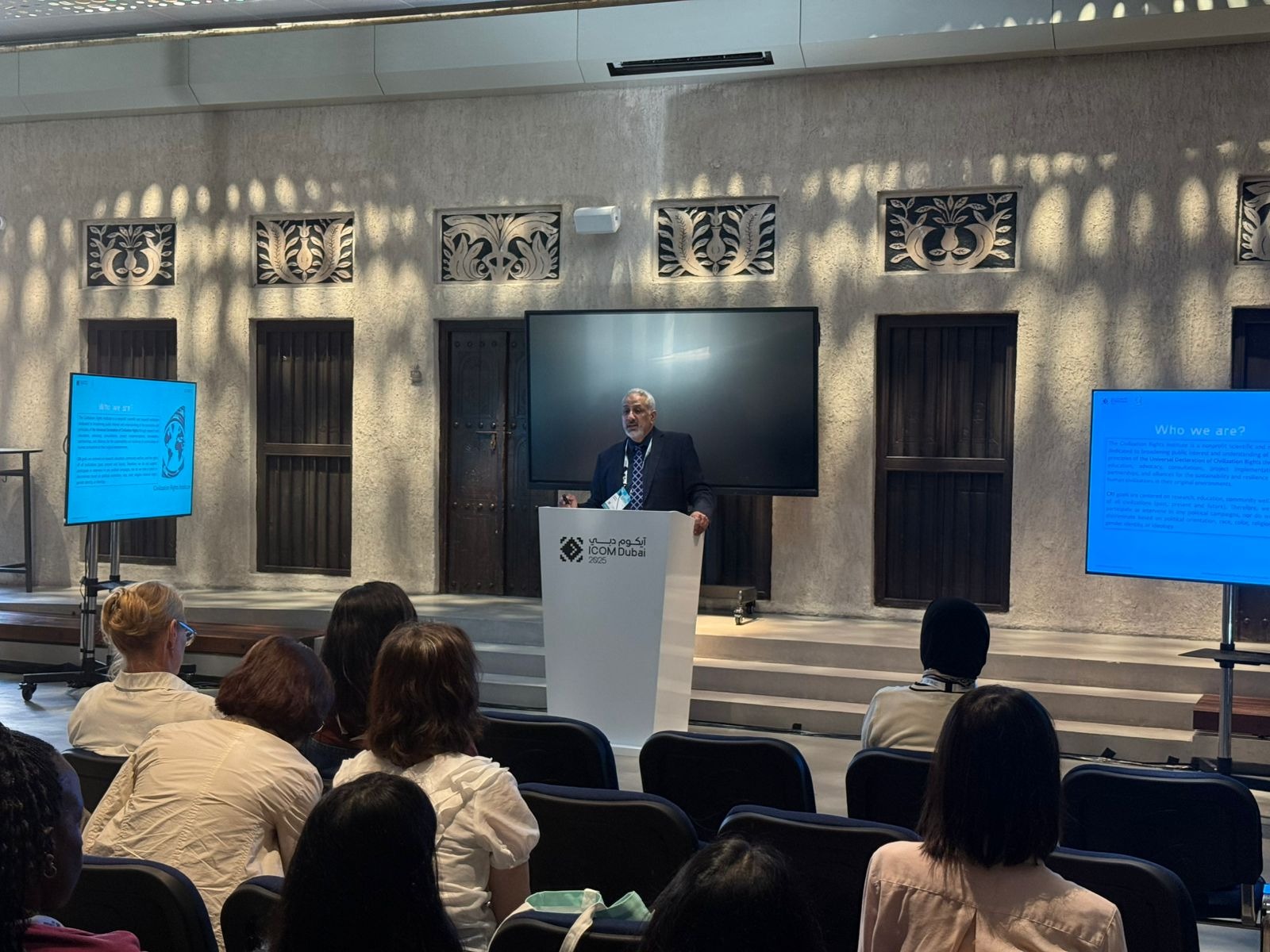
Beyond the formal signing, the event evolved into an applied knowledge experience. The Institute delivered an intensive training program titled “Training of Trainers and Ambassadors of Civilizational Rights,” targeting faculty members, teaching assistants, and students from various disciplines.
The program explored the concept of “Civilizational Rights” as an intellectual and ethical framework that redefines our relationship with heritage—not merely as a preserved past, but as a living value activated in the present through:
• Promoting awareness of protecting both ancient and contemporary civilizations
• Supporting intercultural dialogue to foster understanding and peace
• Strengthening national identity while connecting it to shared human values
• Empowering future generations to utilize heritage in building a more sustainable future
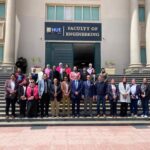
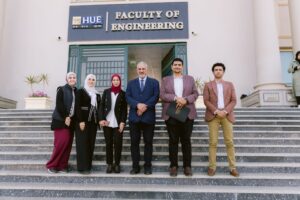
The event concluded with a commemorative group photo, capturing a moment that reflects the core message: safeguarding heritage is not solely an institutional responsibility, but a collective awareness shaped through knowledge and partnership.








Civilization Rights Institute
Advancing the rights, science, and resilience of human civilizations.


No comment