 Civilization Rights Institute
Guardians of History: Our Sacred Trust to Preserve Heritage
Guardians of History: Our Sacred Trust to Preserve Heritage
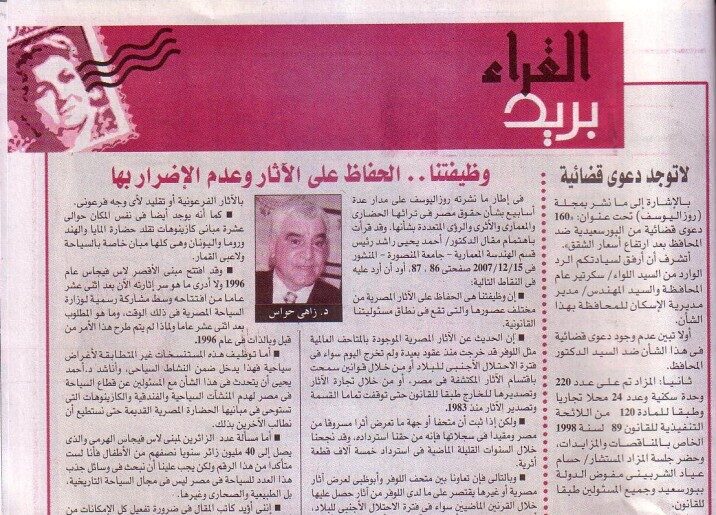
The Civilization Rights Institute (CRI) stands at the forefront of protecting humanity’s shared legacy. Our foundational principle, echoing the profound sentiment, “Our job is to preserve antiquities and not harm them,” encapsulates the essence of our mission. It is a responsibility we embrace with unwavering dedication, recognizing that cultural heritage is not merely a collection of objects but the very fabric of human identity and progress.
The Irreplaceable Value of Cultural Heritage
Cultural heritage, in all its diverse forms – from ancient ruins to modern artistic expressions – serves as a tangible link to our past. It provides invaluable insights into the civilizations that preceded us, offering lessons in resilience, innovation, and human aspiration. Preserving these sites and artifacts is paramount:
- For Identity: Heritage grounds us in our collective history, informing who we are and where we come from.
- For Education: It serves as an unparalleled educational resource, illuminating historical narratives, scientific advancements, and cultural practices.
- For Future Generations: We are merely custodians. Our duty is to ensure these treasures endure, accessible and intact, for those who will follow.
The Imperative: Preventing Harm
The second half of our guiding principle – “and not harm them” – underscores a critical proactive stance. Heritage faces myriad threats in the modern world:
From the deliberate destruction in conflict zones to the insidious damage wrought by neglect, illicit trafficking, and unsustainable development, the risks are constant. Our commitment extends beyond mere passive observation; it demands active intervention and advocacy to prevent irreversible loss.
CRI believes that preventing harm requires a multi-faceted approach:
- Vigilance and Monitoring: Tracking the status of endangered sites and artifacts globally.
- Advocacy and Policy Influence: Working with governments and international bodies to strengthen legal protections and enforcement against cultural destruction.
- Education and Awareness: Fostering a global understanding of the importance of heritage and the consequences of its destruction.
- Capacity Building: Supporting local communities and experts in their efforts to protect their own heritage.
CRI’s Unwavering Commitment
At the Civilization Rights Institute, our work is a testament to this sacred trust. We engage in rigorous research, publish authoritative insights, and forge partnerships with organizations worldwide to safeguard endangered cultural properties. Our campaigns aim to elevate the discourse around heritage protection, holding accountable those who would despoil our shared history.
Protecting heritage is not an option; it is an obligation. It is a fundamental right of all peoples to connect with their past and to have that past preserved for their future. The Civilization Rights Institute remains steadfast in its resolve to be a guardian of history, ensuring that the legacy of civilization endures, untouched by harm, for all time.
Civilization Rights Institute
Advancing the rights, science, and resilience of human civilizations.
