 Civilization Rights Institute
Charting a Course for Civilization Resilience: Landmark Discussions at #Civil20_India2023
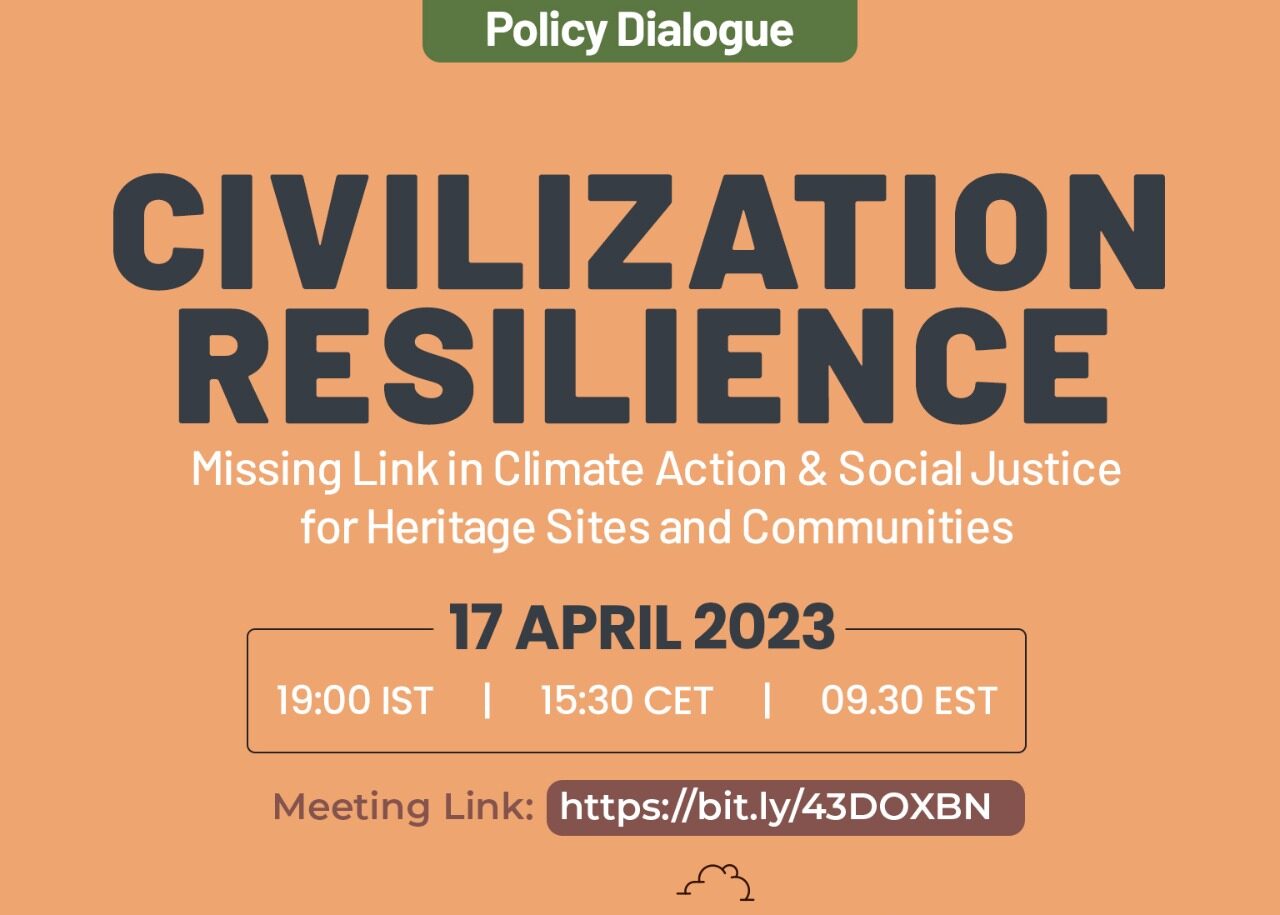
Charting a Course for Civilization Resilience: Landmark Discussions at #Civil20_India2023
The Civilization Rights Institute (CRI) proudly co-organized a pivotal international think tank and knowledge-building event on April 17, 2023, as part of the #Civil20_India2023 process. Titled “CIVILIZATION RESILIENCE: The Missing Link in Climate Action and Social Justice for Heritage Sites and Communities,” this event brought together leading experts and policymakers to address the urgent challenges faced by heritage sites and their communities in the era of climate change, with the aim of endorsing concrete action and policy recommendations to the C20 Summit.
The Imperative of Civilization Resilience in a Changing Climate
Climate change poses an existential threat to indigenous groups, heritage sites, and the communities that are stewards of unique cultures, traditions, and entire civilizations. These invaluable contributions to humanity are increasingly vulnerable, necessitating a robust framework for their protection.
“Resilience, rights, and justice are interconnected concepts that must be considered to create a fair and equitable society. Yet, achieving climate justice and resilience remains a profound challenge for many indigenous communities and heritage groups due to critical gaps in international legal frameworks.”
The CRI emphasizes that a holistic approach rooted in Civilizology – the science of civilization – is essential. This allows us to understand the intricate connections between cultural heritage, environmental stability, and social equity. Our focus on Civilization Rights ensures that ethical and legal principles guide our actions, advocating for the recognition and protection of these communities’ inherent rights to their heritage. This, in turn, strengthens Civilization Resilience, enabling communities to adapt, thrive, and contribute to civilizational heritage and identity amidst escalating climate pressures.
Bridging Gaps in Global Frameworks for Climate Justice
While frameworks like the United Nations Declaration on the Rights of Indigenous Peoples (UNDRIP) set minimum standards for indigenous rights, a significant lacuna exists. Current international intellectual property laws (WIPO) and UNDRIP do not fully address the rights of these groups concerning the possession, display, replication, and commercial exploitation of tangible heritage – including structures, monuments, statues, and artifacts. This oversight creates equity concerns, particularly in the protection and recovery of heritage communities from climate shocks.
This critical think tank explored innovative ideas to bridge these gaps in international laws, funding mechanisms, and incentives. The goal was to forge pathways toward climate justice for civilization bearers and heritage communities, while also leveraging the invaluable roles of women and youth in fostering sustainability and resilience.
Unpacking the Dialogue: Key Sessions from the Think Tank
The event featured a comprehensive agenda designed to foster in-depth discussion and generate actionable policy recommendations:
- Session I: CIVILIZATION RESILIENCE AND RIGHTS FOR HERITAGE COMMUNITIES – Chaired by Dr. Ahmed Rashed of the Civilization Rights Institute, this session delved into the fundamental rights issues surrounding heritage protection.
- Session II: ENRICHING WOMEN & GENDER ROLES IN THE CIVILIZATION RESILIENCE OF HERITAGE COMMUNITIES – Moderated by Dr. Wafa Al-Daily, this session highlighted the pivotal contributions of women and gender-inclusive strategies in building community resilience.
- Session III: FUNDING AND INCENTIVES FOR CIVILIZATION RESILIENCE AND CLIMATE JUSTICE IN HERITAGE SITES – Guided by Mr. Ivan Ransom, this session explored innovative financial models and incentives to support heritage conservation and climate adaptation.
Each session included interventions from esteemed panelists and robust policy discussions, incorporating comments and feedback from a global audience, culminating in concrete recommendations for the C20 Summit.
The Path Forward: CRI’s Commitment to Heritage, Justice, and Civilization Rights
The #Civil20_India2023 event underscored the urgent need for a unified, rights-based approach to climate action for heritage. The Civilization Rights Institute remains committed to advancing the principles of Civilization Rights and Civilizology, ensuring that the resilience of heritage sites and their communities is not merely an aspiration but a protected reality. We will continue to champion policies and initiatives that safeguard our shared human heritage, promote justice for its bearers, and power a global civilization rights movement that truly values cultural richness.
Civilization Rights Institute
Advancing the rights, science, and resilience of human civilizations.
